



Today, almost all of our tasks require the internet, whether it’s our work commitments or a gaming session with our friends; a high-speed internet connection is extremely necessary! And if, for even just a few hours, our Wi-Fi connection isn’t available or is very slow, our lives come to a halt.
This is why ensuring you get the optimal speed from your connections is crucial. While less serious problems like your favourite video game taking too long to update are still manageable, the effects can be detrimental if your professional endeavours are hindered.
But why is our internet connection slow? There could be several reasons behind that , such as:
- Router issues
- Physical blocks
- Malware or viruses
- Your device’s distance from the router
- Too many background applications
And there could be several more, some simpler than others, and some requiring customer service personnel to resolve. Either way, you simply don’t want a slow internet connection; that’s it.
So, in this blog, I’ll discuss how you can achieve a high-speed internet connection, what might be the reasons behind a slow one, and much more.
Key Takeaways
- Optimize your setup: Proper router placement, regular restarts, and firmware updates can significantly improve your high-speed internet performance.
- Upgrade when needed: Modern routers, Ethernet connections, and mesh Wi-Fi systems ensure faster, more stable connectivity.
- Choose smartly: The right internet plan and hardware upgrades prevent slow speeds caused by throttling, congestion, or outdated equipment.
Common Causes Of Slow Internet
Before we look at ways to get high-speed internet, we need to understand the causes of slow internet. This will ensure you are taking the right steps and not wasting your time or money. So, the following are some of the causes for slow internet:
Network congestion
One of the most common causes of a slow internet connection is having many devices connected to a network. This overpopulates the internet connection, which leads to slower speeds across electronic devices. Similarly, having too many browser tabs open can also cause this problem.
Router placement
The position of your Wi-Fi router also plays a massive role. Placing your router between physical objects can hinder your connection speed. Placing it at a lower height can also be detrimental. So, the machine should be placed in the center of the area at a good height to ensure optimum connectivity.
ISP Throttling
Some Internet Service Providers (ISPs) purposely slow down your internet speed during peak usage times – this is called throttling. You may not even know it’s happening unless you notice slower speeds at certain times of day.
Outdated hardware
Your routers and modems are machines that need to be updated as well. Having really old routers can become a hindrance, even when the connection is error-free. So, you should gradually purchase new equipment in line with market standards.
Choosing the wrong plan
The connection plan must be selected based on your needs. Having a basic plan and engaging in heavy data-requiring tasks will obviously be unsuitable and lead to slow speed. So, one should analyze their needs and select a plan with the features that suit them.
Not restarting equipment
Regular restarting is required to ensure the devices function properly. This happens with other devices as well, like our mobile phones. So, restarting your router can fix slow speeds.
How To Get High-Speed Internet
1. ISP Options and Data Caps
Most ISPs do not include data restrictions in their advertisements, which eventually ruins users’ overall internet experience. Ensuring a stable, uninterrupted Internet connection is crucial to maintaining optimal browsing speeds.
A data cap limits your monthly data consumption. You may face slow speeds, extra fees, or similar consequences if you exceed your data limit. One quick way to determine this is to read through your monthly internet bill thoroughly. If you feel that your data allowance is not enough, then reach out to your provider and ask for a plan with higher data caps or unlimited data.
2. Upgrading Your Equipment
Why do modern routers matter for high-speed internet? We regularly update things like appliances, devices, clothing, furniture, and almost everything else. And internet equipment is not immune to this, and the hardware must be updated regularly, regardless of whether it may seem redundant.
This is why you should own a modern Wi-Fi router, which will enable you to fully utilize your plan’s capabilities. Investing in proper equipment is key. If your home has dead zones, purchasing Wi-Fi extenders will help you eliminate those issues as well.
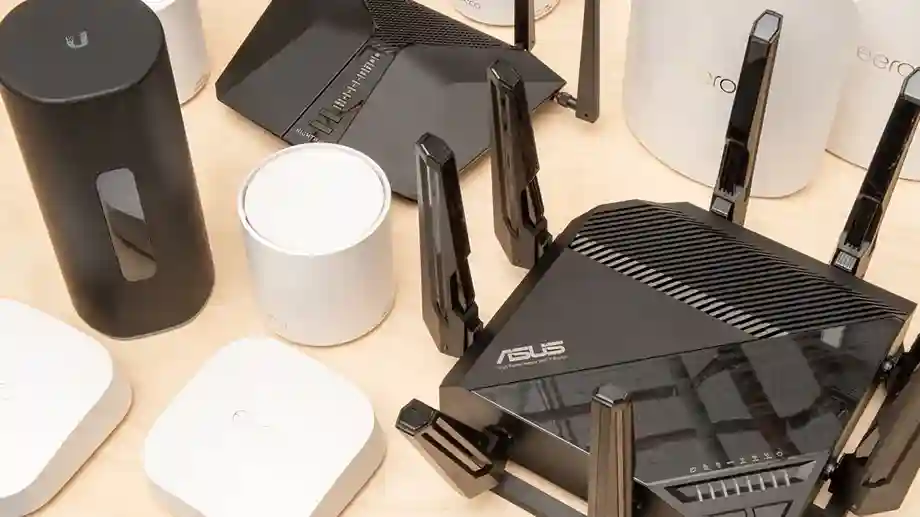
3. Wired vs Wireless Networks
Though Wi-Fi is convenient, it can be slower than a direct connection. If you have a desktop or a device near your router, consider using an Ethernet cable. This cable directly connects your device to the router, providing a faster internet connection.
A wired connection gives you a more stable and faster internet connection, especially if you’re doing work that uses up a lot of bandwidth. So, switching from WLAN, especially if your tasks require a very fast internet connection, is the way to go!
4. Choose the Right Internet Plan
Sometimes, your internet plan might actually be the problem. If you have purchased a low-speed plan and your usage has increased, you’re probably maxing out your available bandwidth. So, switching to a better plan will give you access to a faster connection, though such plans will be more expensive due to the quality of the features they offer.
You can contact your service provider to see whether your current plan offers the speeds you need. Upgrading to a higher-speed plan could solve your slow internet issues, especially if you need more bandwidth.
Read more: The AI in Your Pocket: Small Language Models (SLMs) & Why They’re Next Big Thing
How To Fix Slow Internet Connections
1. Restart Your Router
One of the most common solutions is to restart your router. Routers are like any other device; they can get bogged down by too many connections, too much data, or long uptime. This can fix any small glitches and increase internet speed.
If you’re wondering how to restart your router, it’s as simple as unplugging the wires from the power source. Wait for a couple of minutes before plugging it back in.
2. Optimizing your Router’s Placement
The placement of your router plays a big role in your internet speed.
If it’s hidden in a corner or surrounded by thick walls or furniture, your signal might be weak. Try placing it in a more central location in your home, such as on a raised surface and away from metal objects.
Don’t place it near devices like microwaves or other appliances that might disrupt the connection,
3. Reducing Network Congestion
Your devices could be running apps in the background that are using up bandwidth. Netflix and other video streaming apps are usually the biggest bandwidth hogs. Check your device for any apps running in the background and close or pause them.

If multiple devices are connected to your Wi-Fi at the same time, your network can become overloaded. Since each device uses a portion of your internet bandwidth, if too many devices use the connection at the same time, it can slow down your internet speed.
4. Check for Malware or Background processes.
Malware or viruses on your devices can also cause slow internet speeds. Some malware uses your internet connection to run background tasks, which can hog your bandwidth. So it is advisable to run a virus scan on your devices can remove hidden threats and improve performance.
Also, keep an eye out for background processes, such as app downloads, as they can slow down internet speed. Close all the necessary tabs to reduce congestion.
5. Updating Firmware and Software
Just like your computer or phone, routers also need updates. These updates can fix various issues, including performance improvements or bug fixes that may be causing your internet to run slowly. Log in to your router’s settings and check if a firmware update is available.
Additionally, regularly check for updates, as you may not receive notifications. If an update is available, you can install it to get a fast connection.
Advanced Tips to Maximize High-Speed Internet Performance
1. Mesh Wi-Fi Systems for Large Homes
If you have dead zones or areas with weak WiFi, a mesh network helps evenly spread the signal. A mesh network uses multiple nodes or mini routers to cover every corner of a space. This reduces signal loss and gives you stable internet even in hard-to-reach spots.
This is particularly helpful for large homes and will also help you avoid network congestion caused by the large number of users in the area. So, considering this option has many upsides, regardless of the reason.
2. Switching to 5GHz Wi-Fi
As the name suggests, 5G is much faster than 4G, so if your Wi-Fi is still using a 4G connection, it is highly advisable to switch to a faster 5G service to get high-speed internet.
The speed range for 5G connections typically spans 100 Mbps to 7 Gbps, and such speeds are ideal for current use cases and needs, especially when a 4GHz connection might fall short and delay your tasks.
3. Quality of Service (QoS) Settings
Quality of Service is an important setting to help you increase your internet speed. But what is this setting? It is a setting that lets you prioritize certain devices or applications, enabling more efficient handling of internet traffic and faster connection speeds.
To access these settings, you need to log in to the website and enable the “Quality of Service” setting, which is usually found in the ‘Advanced’ menu. There, you need to set the rules for different devices and applications. And you’re good to go!
Final Thoughts
To wrap up, I believe that having not only an internet connection but also a fast one is an absolute priority in today’s world. Regardless of the nature of our tasks, we unanimously require a connection that enables operational efficiency, whether in an office or a gaming room.
And achieving a high-speed internet connection is not that difficult. With a few simple measures, like the one discussed above, you can easily ensure you get the optimal speed. Similarly, looking out for anything out of place can help you ensure the same.
So, I hope the content in this blog helps you take all the right steps and enjoy the internet connection you need. In most cases, the fixes and actions are pretty easy, so if you have any such problems, it’s best to get started immediately. Enjoy!
Want to learn more about the latest tech developments and solutions? At Yaabot, we pride ourselves on being your ultimate stop for all things related to online technology, software, applications, consumer trends, AI, science, health tech, and more.
Frequently Asked Questions
1. How much internet speed do I need?
There is no fixed answer for that. How much high speed internet you need depends on your activities. If you have too many devices or need the internet for data-intensive tasks like video editing or gaming, you would want a plan with a higher data limit and faster speeds. Whereas, if you require the internet for simple needs such as navigating social media, a standard plan would suffice.
2. How can I boost my high-speed internet performance?
You can boost high-speed internet by placing your router centrally, updating firmware, and reducing background activity. Use a wired Ethernet connection or switch to 5GHz Wi-Fi for faster, more stable performance.
3. Why my internet speed is slow?
Slow speeds can result from router placement, network congestion, outdated equipment, or an unsuitable plan. Try simple fixes first before calling support.
