


Consumerism today is deeply intertwined with technology. What used to be driven by physical stores and static ads is now led by machine learning algorithms, smart devices, and real-time personalization. As digitization deepens its roots across industries, you don’t need to be a tech enthusiast like me to see that the influence of tech on daily life has become more direct and personal.
The growing presence of AI, the Internet of Things (IoT)-powered homes, and augmented and virtual reality trends (AR/VR) is changing expectations across the consumer industry. At the same time, there is a growing interest in sustainable technology, which is both smart and mindful of its carbon footprint.
While many of these consumer tech trends promise convenience and efficiency, they also come with their own share of concerns. Questions around privacy, over-dependence, and the pace of change remain part of the broader discussion. Despite all this, staying informed helps us respond wisely to change.
In this article, I’ll discuss the top tech trends in consumerism and how the industry and our lives are evolving in response.
Key Takeaways
- Consumer tech trends are directly influencing people’s habits today.
- With the rise of AI, wearables, healthcare solutions, and smart home devices, the consumer industry is seeing a surge in demand for connected, ethical, and intelligent consumer technology.
- As AI in consumerism grows alongside other technologies, we will see more personalization, automation, and real-time responsiveness.
So, What Is Consumer Technology?
Consumer technology refers to devices, applications, and services designed for everyday use by people. It consists of smartphones, laptops, smart home devices, and wearable devices, which are among the top consumer tech trends.
- The Coherent Market Insights report stated that the global consumer products and retail market should grow from $24+ trillion in 2025 to nearly $40 trillion in 2032, with an annual growth rate of 7.2%.
- In 2024, the global revenues from the consumer electronics sector alone were valued at $1.2 trillion, clearly indicating the sector’s contribution to the global economy.
How is consumer technology changing today?
The way people shop and what they expect from products have changed over the years:
- Buying preferences are shifting: People often shop across multiple platforms and prefer hyper-personalized and meaningful experiences.
- Global consumer base: Today, a younger generation of consumers – mainly Millennials and Gen Z – comprises a larger portion of the market, often preferring online shopping.
- Smart devices are raising expectations: With more generative AI tools and features, consumers now expect their devices to be intuitive, fast, and capable of learning their habits.
- Sustainability matters more: Eco-conscious consumers actively prefer products that reflect their values, from materials that are recyclable to those that promote energy efficiency.
The COVID-19 pandemic transformed the market into a completely new landscape and pushed people to rethink what truly matters to them. These changes are also causing companies in the consumer industry to reassess how they design, market, and deliver products to their audiences.
Top Consumer Tech Trends Shaping Our Lives
Let’s now look at some of the top tech trends in consumerism that are revolutionizing the global market.
- AI’s hyper-personalization
AI-driven personalization analyzes user behavior, preferences, and purchase history to deliver suggestions that feel intuitive and relevant. According to McKinsey, 71% of consumers expect companies to deliver personalized interactions. Zendesk also reports that, based on consumer behavior, almost 56% believe that AI agents help them understand the products better.
You’ve likely experienced it too – Netflix suggests what to watch next and Amazon knows what you might want to shop based on your preferences and order history. Generative AI is pushing this further by powering chat-based shopping assistants, personalized content creation, and more intelligent customer service that adapts to individual needs.
- Smart home devices
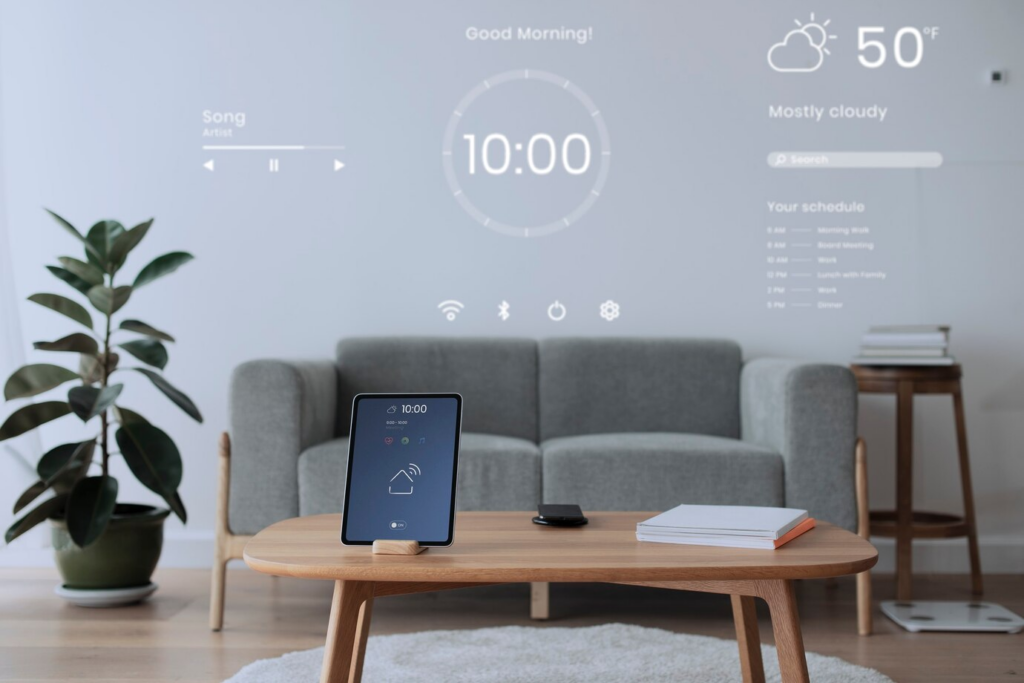
Smart home devices are now integral to modern living, making daily routines more convenient, efficient, and connected. From voice-controlled assistants like Alexa and Google Home to smart robotic vacuums, these tools are designed to adapt in real-time. The worldwide smart home market is estimated to reach a valuation of around $174 billion this year, driven by rising demand for automation and energy efficiency.
- Sustainable models and solutions
Sustainability is no longer optional, but a necessity in consumer technology. There’s a growing preference for eco-friendly materials, energy-efficient designs, and devices that support modular upgrades, aligning with environmental values.
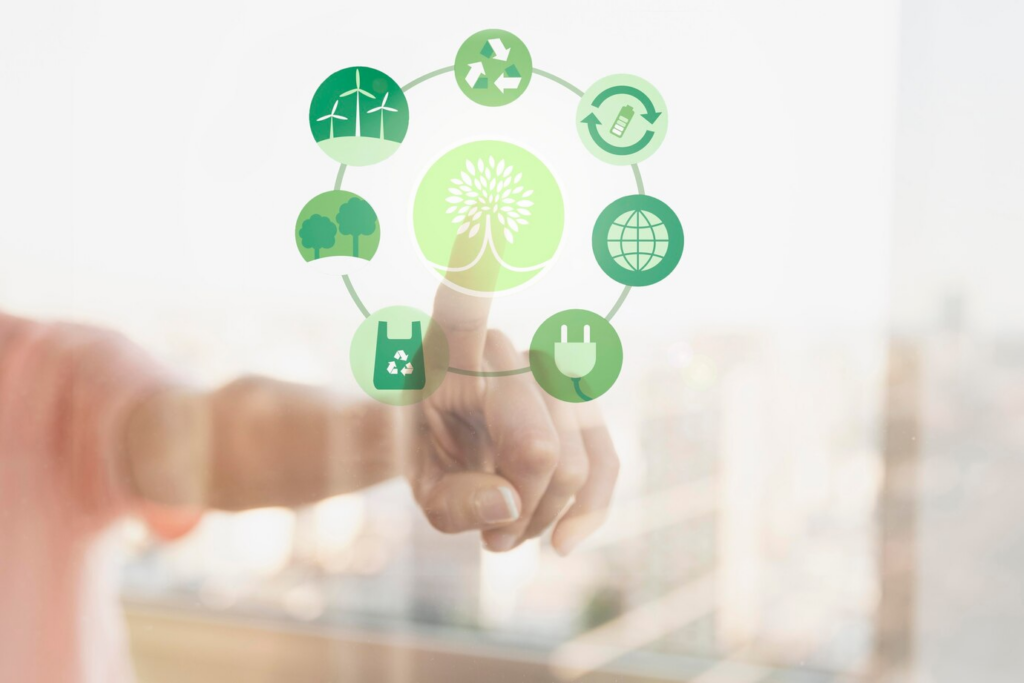
Big tech firms such as Apple are also focusing on sustainable technology to reduce their carbon footprint. Around 24% of the materials used in Apple products come from recycled or renewable sources. However, growing concerns about AI’s energy use highlight the need for greener, smarter innovation.
- Wearable tech products
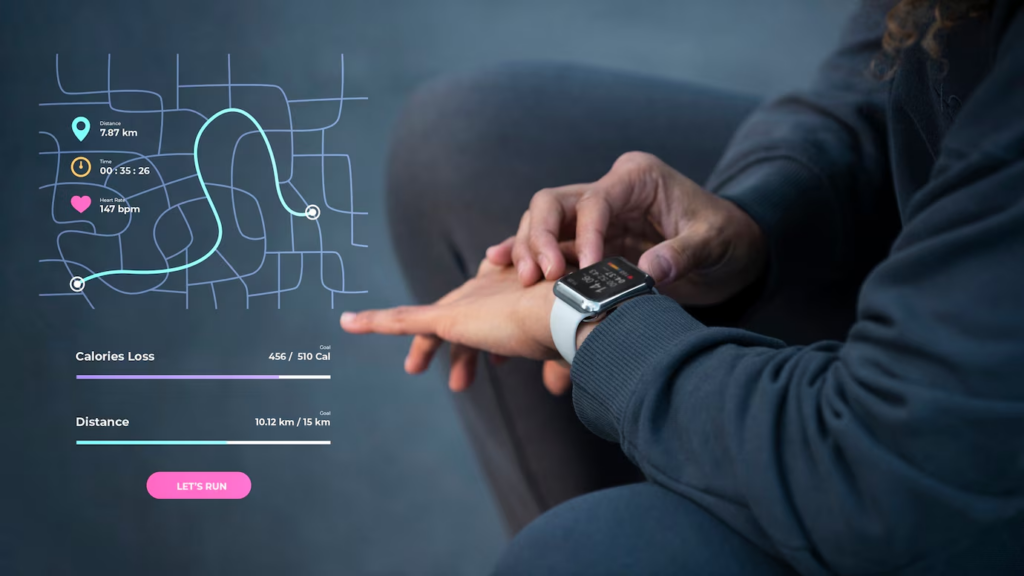
Wearable technology has evolved far beyond what we knew before. Today, wearable devices like smartwatches can monitor heart rate, stress levels, sleep hours, steps, calories, and more, making health tracking a daily habit. Consumer tech trends like Apple Watches and smart glasses blend utility with style, making it appealing to users who want to blend fashion and functionality. Wearables are more than just electronic gadgets and are lifestyle guides.
- Immersive experience
Immersive tech like augmented, virtual, and mixed reality (AR/VR/MR) is redefining how people experience the world. By combining physical and digital environments, immersive tech is making waves in the consumer industry.
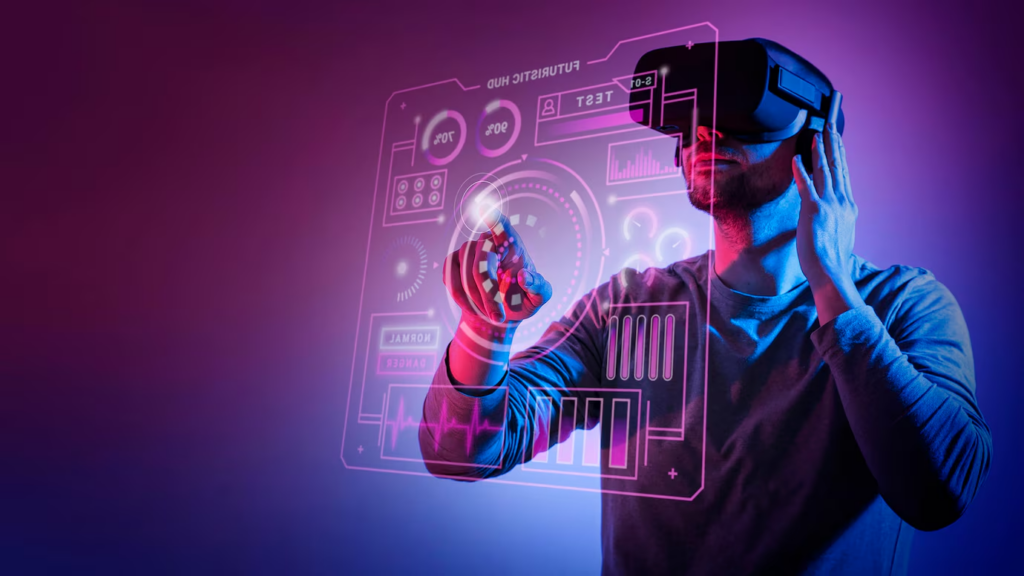
Products like Apple Vision Pro and Meta Quest are among the popular consumer tech trends in the market. Whether it’s gaming, job training, exploring real estate remotely, or collaborating in virtual workspaces, immersive tech is transforming the tech world.
- Trends in healthtech
Consumers now expect better and real-time health tracking and teleconsultations with doctors. As one of the growing consumer tech trends today, the integration of IoT, quantum computing, and generative AI in healthcare is improving data analytics, personalized treatment plans, mental health support, and more.

The evolving healthcare system significantly influences consumer behavior. For example, McKinsey reported that over 60% of consumers were more satisfied with a telehealth appointment than with an in-person appointment, highlighting the preference for top healthtech solutions over traditional methods.
- Innovation in electric vehicles
Electric vehicles (EVs) are integral to consumer tech trends. In 2024, close to 2 million EV units were sold globally, with over 25% YoY increase. With advancements in research and innovation, including faster charging and smart driving features, EVs are becoming more practical and appealing.
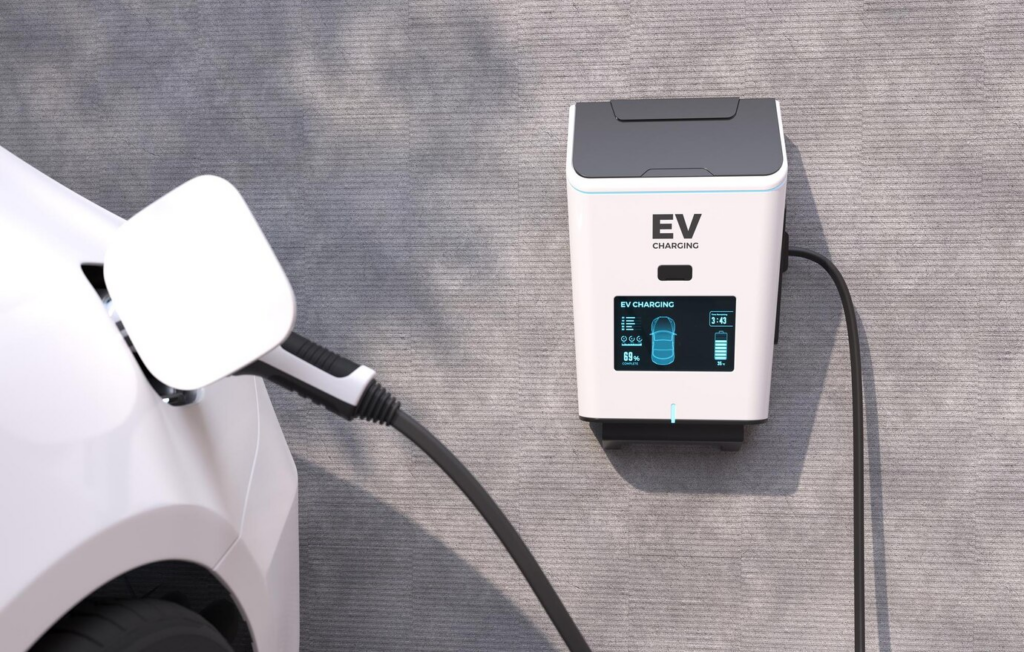
Many models now come equipped with AI assistance for navigation, safety, and infotainment. As the world adopts more sustainable practices and zero-emission goals, EVs are also influencing consumer behavior. With the leading brands like Tesla, Tata, and Hyundai, many companies are innovating with compact EVs and subscription-based models.
Potential Risks Of Rising Consumer Tech Trends
While consumer tech trends bring convenience, excitement, and smarter solutions, they also have some downsides. As we embrace more tech-driven lifestyles, it’s worth keeping a few things in mind:
- Data privacy worries: The more devices we use, the more personal data we share – often unknowingly, leading to privacy issues.
- Over-dependence: Relying too much on smart devices can reduce our brain’s creativity, critical thinking, and self-reliance.
- Digital fatigue: Constant tech usage, screen time, or connectivity may blur boundaries between online and offline life.
- E-waste buildup: Rapid tech advancements and evolution contribute to growing electronic waste concerns and environmental damage.
It’s not just about leading and innovation, but also understanding the importance of ethics and balancing innovation and responsibility in the environment and society.
Final Thoughts
As technology continues to blur the lines between convenience and complexity, it’s worth asking – what do we actually expect from the devices and platforms we use every day? Are we shaping technology to match our needs, or are we adapting ourselves to fit into its systems?
My opinion? Consumer tech trends are not just about fancy apps or new solutions; they focus on what feels meaningful, sustainable, and personalized. Perhaps the real question we should be asking ourselves is, what truly matters, rather than what’s next in tech innovation.
How we choose, engage with, and question our tech habits today might define the kind of digital future we live in tomorrow.
Want to learn more about consumer technology, software, apps, and the latest technologies? We’ve got you covered with all the tech development updates and solutions. At Yaabot, we take pride in being your ultimate space for all things related to online technology, AI, science, health tech, and more.
Frequently Asked Questions (FAQs)
- What is the role of AI in consumerism?
AI in consumer technology enhances user experience with personalized insights, automation, voice assistants, and real-time data in everyday tech products.
- How is the consumer industry adapting to tech trends?
Top tech trends in consumerism are driven by companies that invest in research and development, sustainable models, and advanced strategies to meet growing market demand and effectively cater to tech-savvy consumers.
- What are the different types of consumerism?
There are four types of consumer behavior that experts usually study: complex buying, dissonance-reducing buying, habitual buying, and variety-seeking buying behaviors.
